
What Is Social Media Marketing? A Simple Guide for Businesses
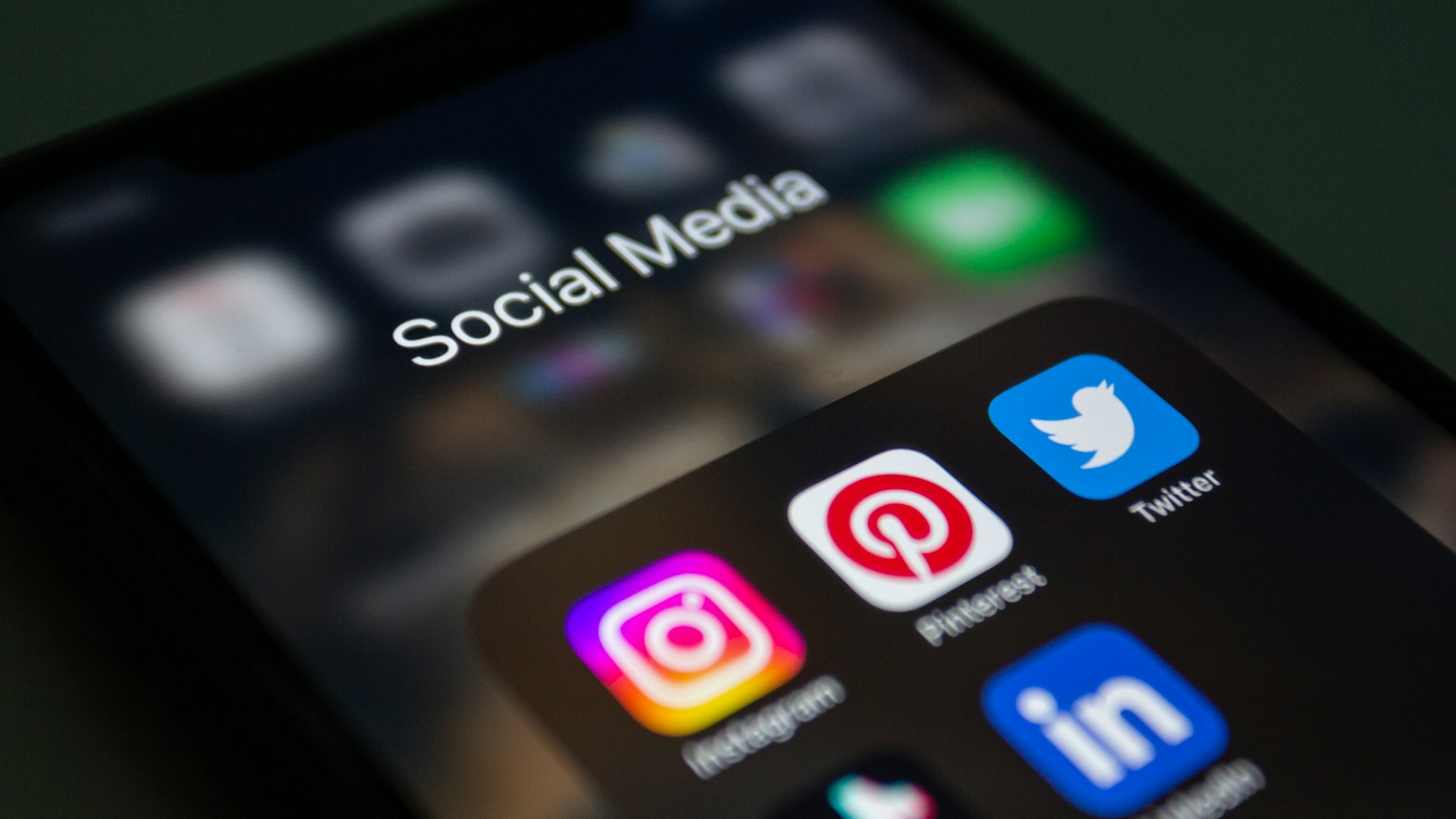
Social media marketing is the process of using social media platforms to connect with people, share useful content, build awareness, and promote a business. Platforms such as Instagram, Facebook, LinkedIn, YouTube, and others give businesses an opportunity to communicate directly with their audience. Social media marketing is not only about posting advertisements or trying to sell something every day. Good social media marketing is about understanding what people want to see, sharing useful or interesting content, answering questions, and building a relationship with the audience.
For example, a restaurant can share food photos, customer experiences, special offers, and behind-the-scenes content. A digital marketing freelancer can share simple tips, case studies, and helpful information. The type of content should depend on the business and the people it wants to reach. Businesses can also use social media to listen to customers, understand their interests, and learn what type of content gets a positive response. With consistent effort and a clear purpose, social media can become a useful part of a digital marketing strategy.
- Know Your Audience: Understand who you want to reach and what type of content they are interested in.
- Share Useful Content: Create helpful, interesting, or entertaining posts instead of focusing only on selling.
- Engage With People: Reply to comments, questions, and messages to build genuine relationships with your audience.
- Track Your Results: Check reach, engagement, website visits, enquiries, and other useful results to improve your strategy.
How Social Media Marketing Helps Businesses Grow
Social media can help businesses become more visible and stay connected with their customers. When a business regularly shares useful content, people can become more familiar with its name, products, services, and values. This familiarity can help build trust over time. Social media can also give businesses a chance to show the human side of their work. Behind-the-scenes photos, team introductions, customer stories, simple tips, and everyday updates can make a business feel more approachable. For small businesses, this can be especially useful because customers often want to know the people behind the brand.
Different social media platforms can work better for different businesses. A visual business may find Instagram or YouTube useful, while a professional service provider may focus more on LinkedIn. A local business might use Facebook and Instagram to stay connected with people in its area. Businesses do not need to be active on every platform. It is usually better to choose the platforms where the target audience is most active and focus on creating good content there. The type of content can also change depending on the platform. A short video, educational post, customer review, product image, or simple question can all be useful when they match the audience and purpose. Businesses can also use tools such as Meta for Business to manage and promote their presence on platforms such as Facebook and Instagram.
Good social media marketing takes time and consistency. A business should not expect every post to become popular or bring immediate sales. Some posts may create awareness, while others may encourage people to visit a website, send a message, or make an enquiry. Looking at the results can help businesses understand what their audience likes and what needs improvement. Over time, businesses can create a simple content plan, test different ideas, and focus more on the types of posts that produce useful results. The main goal is not simply to collect likes or followers. It is to build meaningful connections and support the wider goals of the business. Social media can also help a business understand its customers better. Comments, messages, questions, and reactions can show what people like, what they need, and what problems they are facing. Businesses can use these insights to improve their content, services, and communication. When a business listens to its audience and responds in a genuine way, social media becomes more than a place to post updates. It becomes a useful way to learn, connect, and build stronger customer relationships.